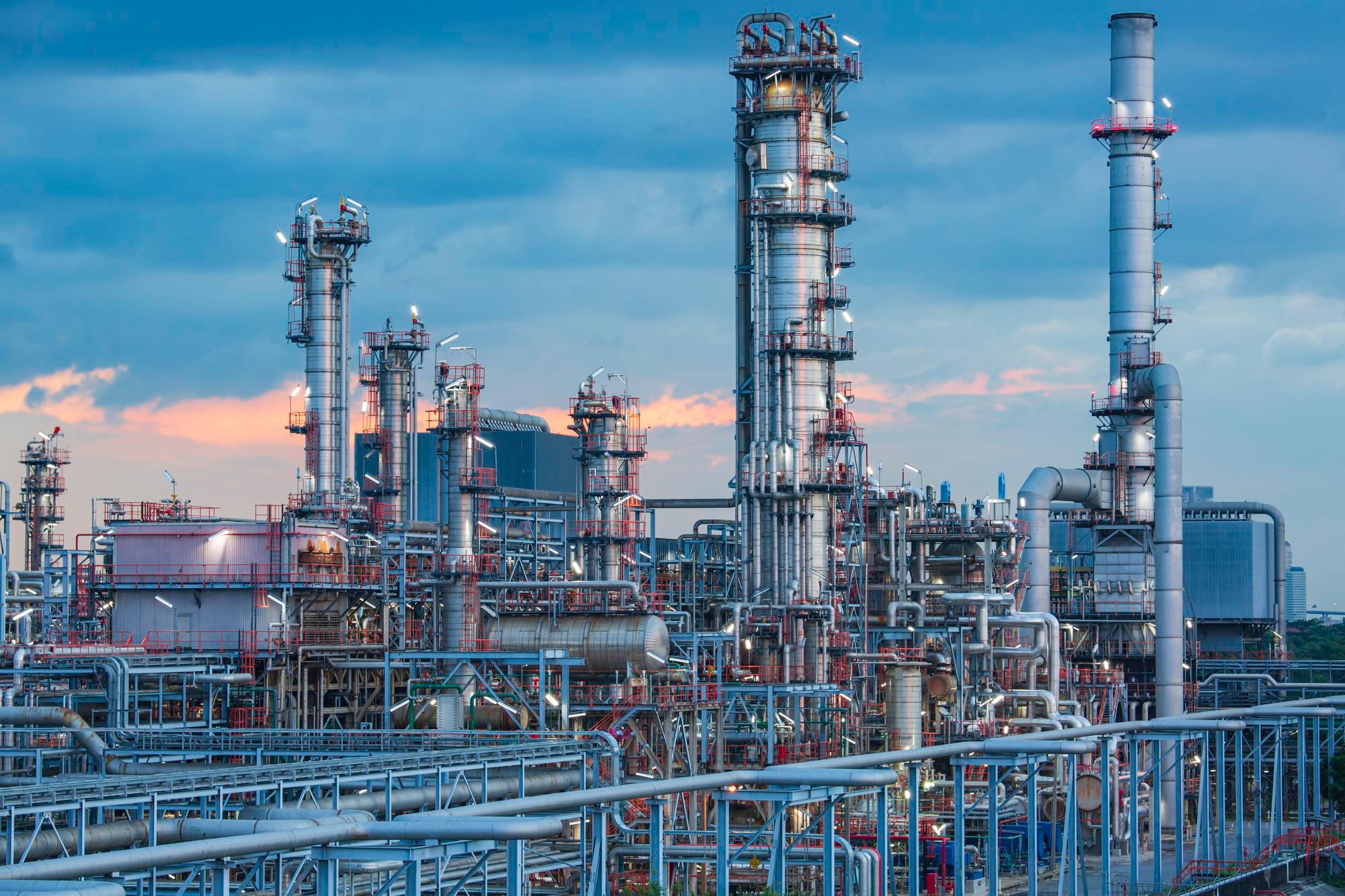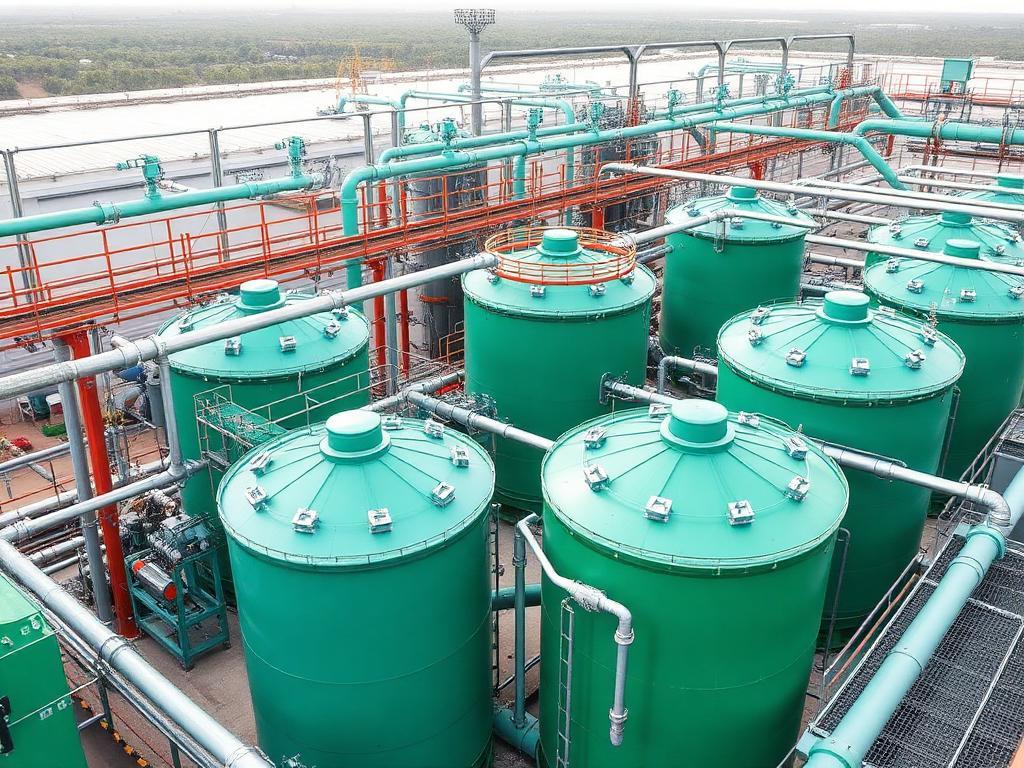
Hydrogen projects require specialized engineering and risk management strategies. Its wide flammability range and near-invisible flame mean facilities transitioning from natural gas can't simply reuse old design assumptions — detection, ventilation, and materials all need a fresh look.
Hydrogen Behaves Differently — Design for It
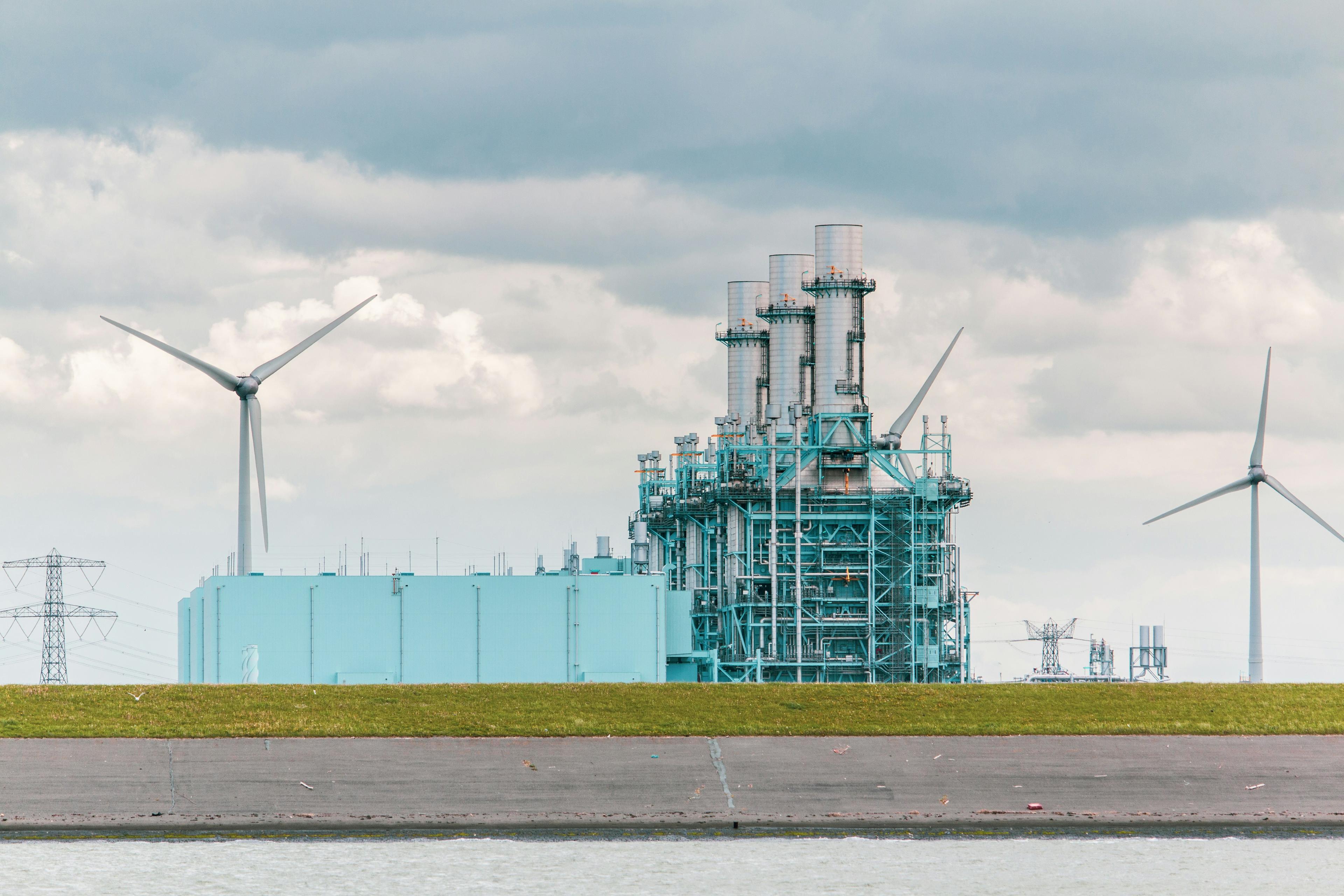
Wide flammability range, low ignition energy, and a flame that's nearly invisible in daylight mean hydrogen systems can't simply borrow natural gas design assumptions wholesale, however tempting that shortcut might look on a tight project schedule. Detection strategy and ventilation design both need rethinking from first principles, because the sensor placement and airflow patterns that worked reliably for methane don't transfer cleanly to a gas that behaves so differently in the open air.
Material selection matters just as much — hydrogen embrittlement is a slow, cumulative risk that won't show up in a commissioning test but will absolutely show up years later if it's overlooked at the design stage. By the time embrittlement becomes visible as a cracked fitting or a failed weld, the damage has typically been accumulating quietly for a long time already.
Rethinking Facility Layout for Hydrogen
Because hydrogen disperses and ignites differently from conventional fuels — rising and dispersing rapidly rather than pooling near ground level — siting studies done for a legacy natural gas facility rarely transfer directly onto a hydrogen retrofit. Equipment spacing, vent locations, and occupied-building placement often need to be reassessed against hydrogen-specific consequence models rather than simply inheriting layout decisions from the facility's previous fuel.
Detection Strategy Needs a Rethink
Standard combustible gas detectors calibrated for hydrocarbons don't always respond appropriately to hydrogen's very different diffusion and buoyancy characteristics, which means detection strategy for a hydrogen facility often needs its own dedicated design exercise rather than a straightforward substitution of sensor types. Getting placement wrong here isn't a minor gap — it directly determines how much warning time a facility actually gets before a leak becomes a hazard.
Training the Team That Runs It
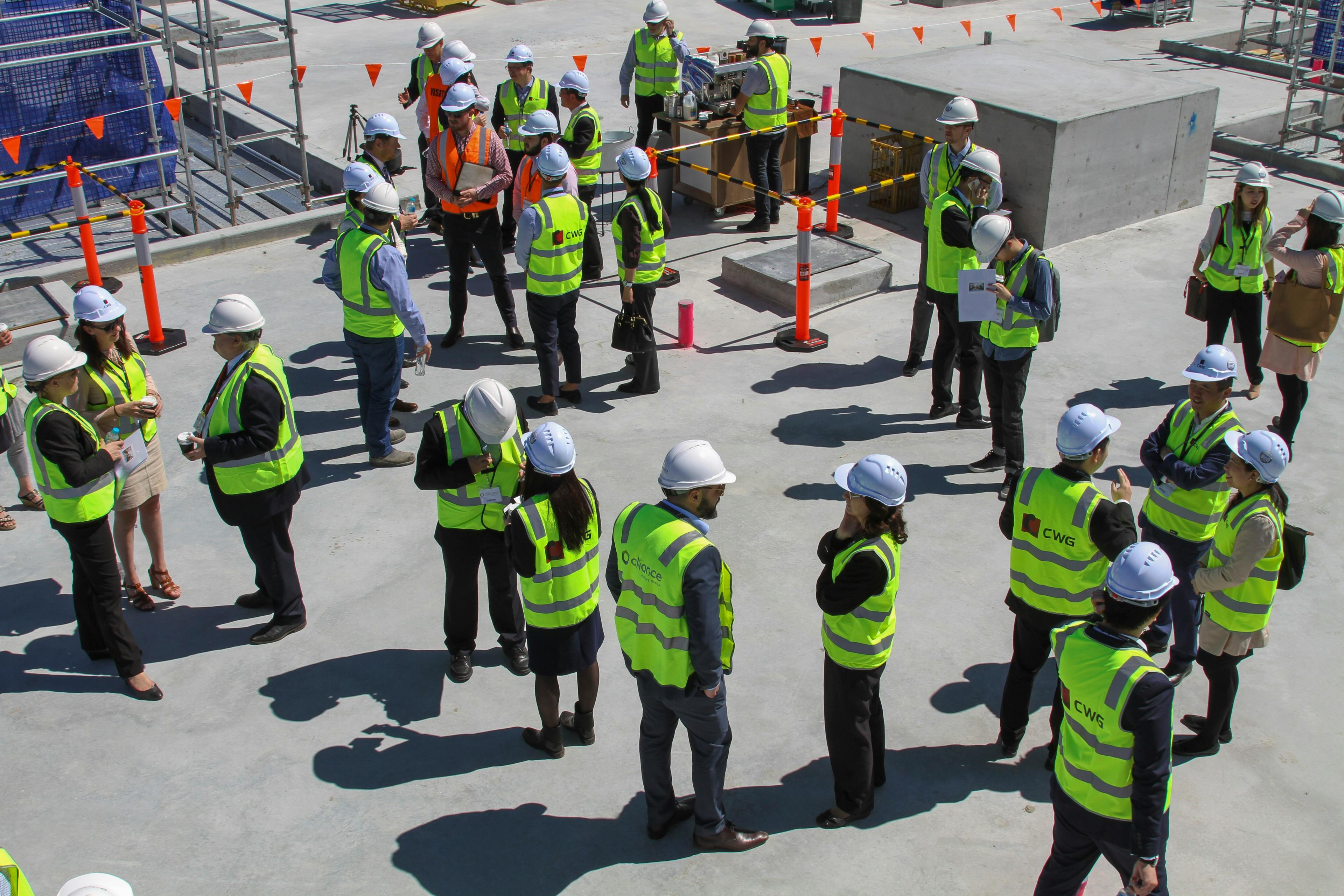
Facilities transitioning into hydrogen often underestimate just how much of the overall risk sits in simple operator familiarity, rather than in the engineering design itself. Purpose-built hydrogen safety training closes that gap far faster than a generic process safety refresher borrowed from the facility's previous fuel program, because it addresses the specific behaviors — near-invisible flames, rapid dispersion, embrittlement risk — that don't come up at all in conventional hydrocarbon training.
Learning From Early Adopters
The facilities furthest along in their hydrogen transition tend to share one habit: they treat their early operating experience as a source of design feedback, rather than treating the original engineering package as finished the moment it's commissioned. Incidents, near misses, and even minor operational surprises get fed back into detection strategy, layout, and training on an ongoing basis, so the site's approach to hydrogen safety keeps maturing well past initial startup.