
Learn how AI-powered monitoring is transforming industrial safety and decision making. As facilities generate more operational data than any team can review manually, the shift is from periodic inspection toward predictive, always-on risk visibility.
From Alarms to Early Warnings

Traditional alarm systems tell an operator something is already wrong, at the moment it becomes wrong — by design, they're reactive rather than predictive. Pattern-based monitoring, by contrast, can flag the gradual drift toward that state hours or even days earlier, giving teams enough lead time to intervene calmly instead of reacting under pressure once a threshold has already been crossed. That extra window is often the difference between a planned maintenance action and an unplanned shutdown.
The value in any of this isn't really the underlying model — it's whether the resulting alert actually reaches the right person, at the right console, phrased in language they can act on within seconds rather than something they need to decode first. A sophisticated predictive model that generates an alert nobody understands or trusts is functionally no better than no model at all; the human interface around the technology matters just as much as the technology itself.
Digital Twins and Intelligent Permits
A digital twin gives teams a virtual version of a physical asset to test scenarios against without touching the real process at all — useful for anything from evaluating a proposed layout change to walking through a failure mode during a planned shutdown, all without the cost or risk of experimenting on the actual plant. Teams can compress what used to take weeks of careful physical planning into days of simulated iteration, catching problems before they ever reach the field.
Paper-based permit-to-work systems, meanwhile, remain one of the quieter and more persistent sources of operational risk on many sites: delayed approvals, poor visibility into who's actually working where at any given moment, and manual errors that slip through busy shifts unnoticed. Digital permit-to-work systems close that gap with automated workflows, real-time tracking, and a clear digital trail of who approved what and when — turning a historically manual process into something a safety team can actually audit and trust in real time.
Barrier Health, Not Just Barrier Existence

Knowing that a safety barrier exists on paper is a fundamentally different thing from knowing that it's functioning correctly right now, at this exact moment. Digital barrier management platforms track inspection status, test results, and degradation trends across safety-critical equipment continuously, so barrier health becomes something a team actively monitors day to day, rather than something they simply assume between scheduled inspection intervals. That distinction — monitored versus assumed — is where a surprising number of preventable incidents actually originate.
Where AI Still Needs a Human
Safety-critical decisions still need an experienced engineer in the loop, and that isn't likely to change any time soon regardless of how capable the underlying models become. The realistic near-term role for AI in industrial safety is triage and pattern surfacing — narrowing down what a team needs to look at closely, not replacing the judgment call about what to actually do once that narrower set of issues has been identified. Framing AI as a filter rather than a decision-maker keeps expectations realistic and keeps accountability exactly where it needs to remain.
Data quality, integration with legacy control and historian systems, and workforce training remain the real barriers to adoption in most facilities — the algorithms themselves are rarely the hard part of a digital safety rollout. A facility with clean, well-labeled historical data will get useful predictive insight out of a fairly simple model, while a facility with messy, inconsistent data will struggle to get value even from a far more sophisticated one.
Planning a Realistic Rollout
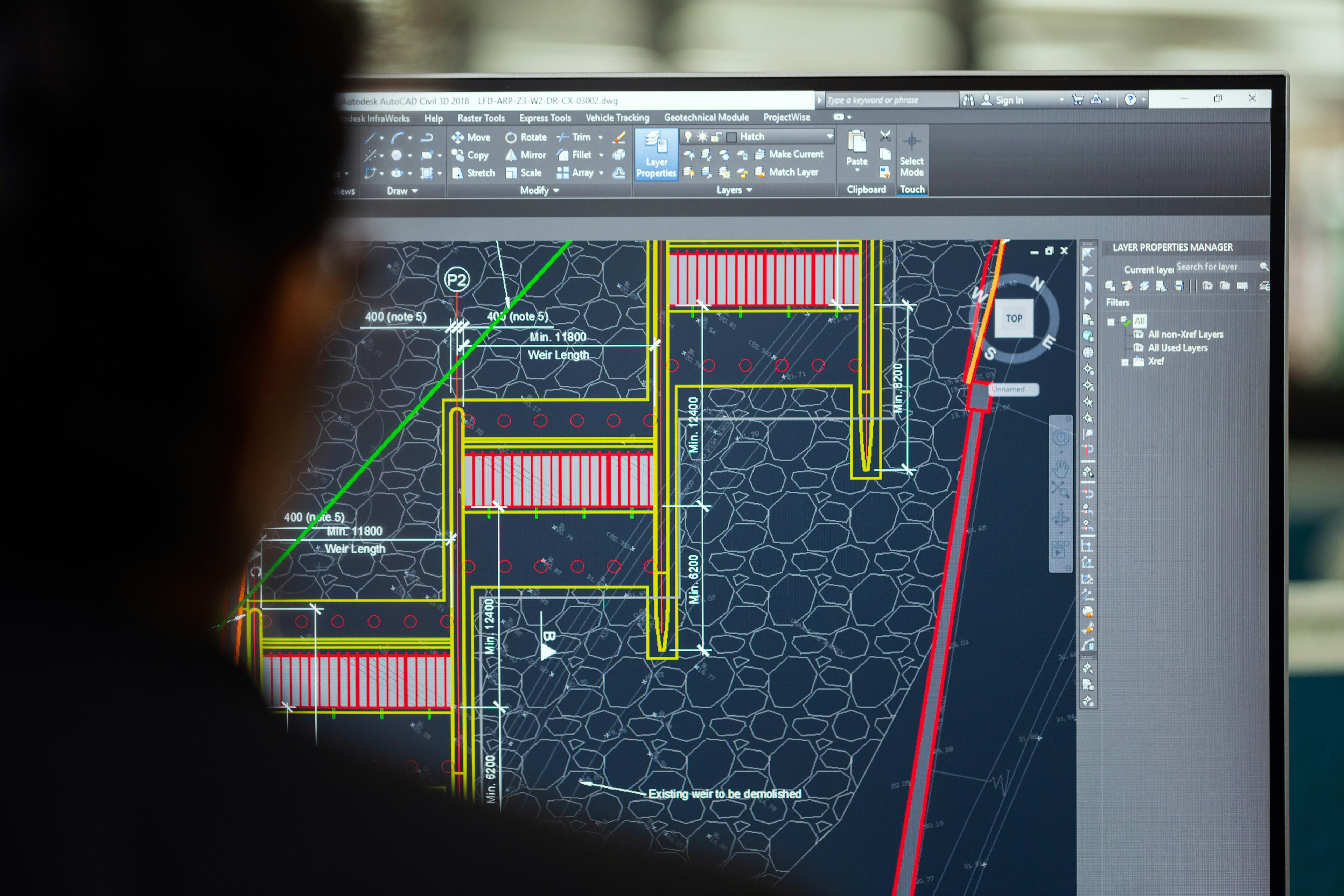
Organizations that succeed with digital safety transformation tend to start narrow and specific — a single high-value use case, like predictive monitoring on one critical asset class — rather than attempting to digitize every safety process across the site simultaneously. That focused approach builds internal confidence, surfaces integration issues on a manageable scale, and creates a template that can then be extended to other areas once the first use case has proven its worth in practice, rather than in a pilot deck.