
Engineering studies provide valuable insights for improving process efficiency and operational performance. Done well and done early, they surface failure modes and bottlenecks while changes are still cheap to make — long before commissioning locks a design in place.
Reliability Starts on Paper
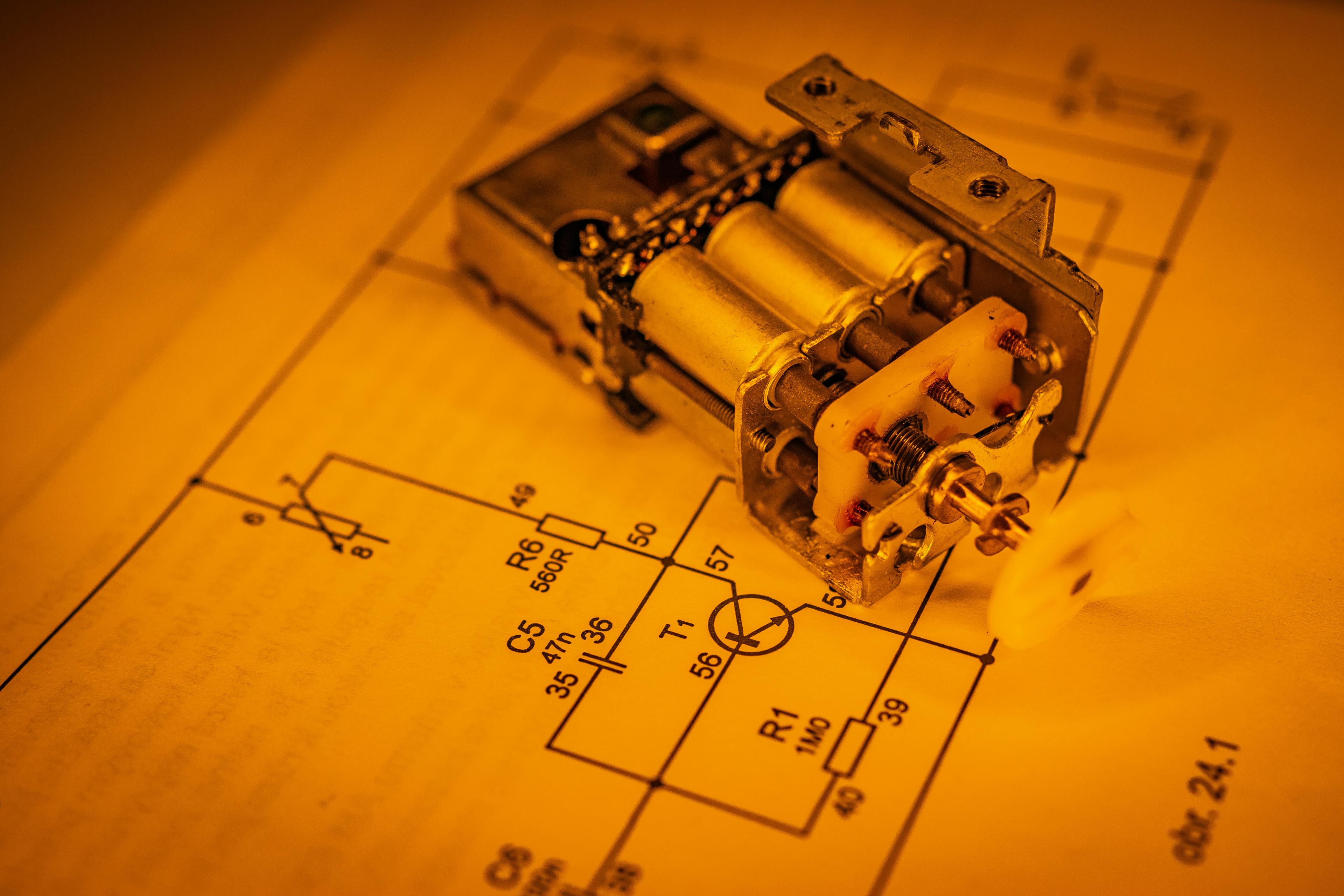
A reliability, availability, and maintainability (RAM) study forces the question most teams skip entirely during the excitement of a new project: what actually happens to overall throughput when this specific piece of equipment fails, and how long does it realistically take to recover? The answer usually reshapes the maintenance plan far more than any single inspection report would, because it exposes which failure modes genuinely threaten production and which ones look scary on paper but barely register at the plant level.
Done early in a project, these studies change equipment selection, redundancy decisions, and layout choices while they're still cheap to change — not after commissioning, when every fix competes directly with production targets and a redesign means real money and real schedule slippage. Teams that commission a RAM study only after startup problems appear are, in effect, paying twice: once for the original design decisions, and again for the retrofit needed to correct them.
Debottlenecking Without Guesswork
Throughput studies and capacity assessments identify the single constraint that's actually limiting a plant's output — which is rarely the piece of equipment operators instinctively assume it is. Intuition tends to point at the newest or noisiest unit, but a proper end-to-end process model frequently reveals that the real bottleneck sits somewhere upstream or downstream, quietly capping capacity while attention and budget get spent elsewhere entirely.
Modelling the process holistically, rather than unit by unit, avoids the expensive mistake of upgrading equipment that was never the limiting factor in the first place. We've seen plants spend significant capital on a compressor upgrade only to find, after the fact, that a control valve two units away was the actual constraint all along — money that a proper debottlenecking study would have redirected from day one.
Studies That Support Capital Decisions

Engineering studies also play a quieter but critical role in justifying capital spend to leadership. A well-structured feasibility or options study lays out the trade-offs between competing designs in terms leadership can actually weigh against each other — capital cost, operating cost, reliability impact, and schedule risk — rather than leaving the decision to whichever option was presented most persuasively in a meeting.
That structure matters because capital decisions made without it tend to get revisited later, once the operational consequences of an under-analyzed shortcut become apparent. A thorough study up front is almost always cheaper than the retrofit that follows a decision made on incomplete information.
Turning Findings Into Action
A study that ends in a report nobody reopens hasn't actually improved reliability — it's just documented the problem in more detail than before. The studies that genuinely move the needle end in a prioritized, owned action list with real dates attached, assigned to specific people who are expected to report progress against it, not a set of general recommendations left for 'someone' to pick up eventually.
That accountability structure is often the real differentiator between a study that changes plant performance and one that becomes an expensive PDF. The technical content might be nearly identical between the two, but only one of them actually gets acted on.
Building a Culture of Continuous Study
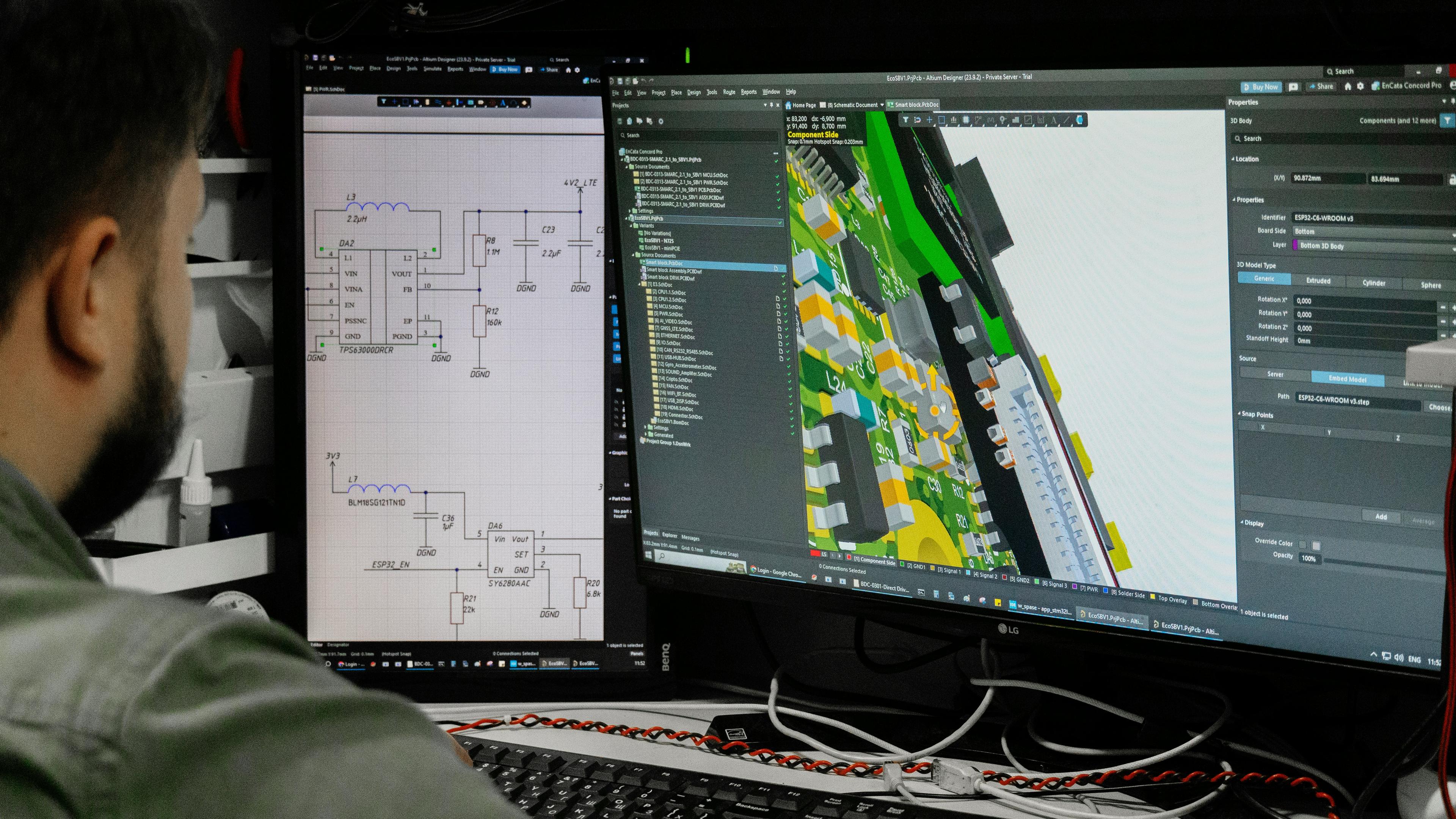
The most reliable facilities we've worked with don't treat engineering studies as a one-time project gate — they treat them as a recurring habit, revisiting RAM assumptions and throughput models whenever operating conditions shift meaningfully, rather than waiting for the next major capital project to justify the exercise. That habit catches drift early, before small deviations compound into a genuine reliability problem that's far more expensive to unwind.