
Developing competent teams is one of the most effective ways to improve operational safety. Culture isn't set by a policy document — it's set by what actually gets rewarded, challenged, and acted on day to day.
Culture Follows Behavior, Not Posters
Safety culture doesn't come from a mission statement printed on the wall or repeated in a kickoff meeting — it comes from what actually gets rewarded, what gets challenged in the moment, and whether raising a concern genuinely changes anything afterward. Teams read those signals fast, often within their first few weeks on a new site, and they calibrate their own behavior accordingly regardless of what the official policy documents say.
The clearest indicator we look for on a site visit isn't the recorded incident rate at all — it's whether a junior technician will actually stop a senior engineer mid-task over a safety concern, and just as importantly, what happens immediately afterward. A site where that kind of intervention is welcomed and acted on has a fundamentally different culture than one where it's tolerated in theory but quietly discouraged in practice.
Making Reporting Feel Safe
Near-miss reporting rates say more about the underlying culture than incident rates ever do. Teams that see a spike in near-miss reports after a training push aren't getting less safe — they're finally telling you what was already happening on the floor, information that was previously going unreported simply because nobody felt it was safe or worthwhile to raise it. A rising near-miss count, read correctly, is usually a sign of improving trust rather than declining safety.
Building that trust takes consistent, visible follow-up: when someone reports a near miss and sees a real response — an inspection, a fix, a procedure change — within a reasonable timeframe, they report the next one too. When reports disappear into a system with no visible outcome, reporting quietly dries up again, and the organization loses exactly the early-warning signal it was trying to build.
Leadership Visibility on the Floor
Sites with strong safety cultures tend to have leaders who spend real time on the floor, not just reviewing dashboards from an office, and who ask genuine questions rather than conducting a compliance walkthrough. That visible presence signals that safety is something leadership actually cares about day to day, not just something referenced in quarterly reports.
Training as an Investment, Not a Requirement
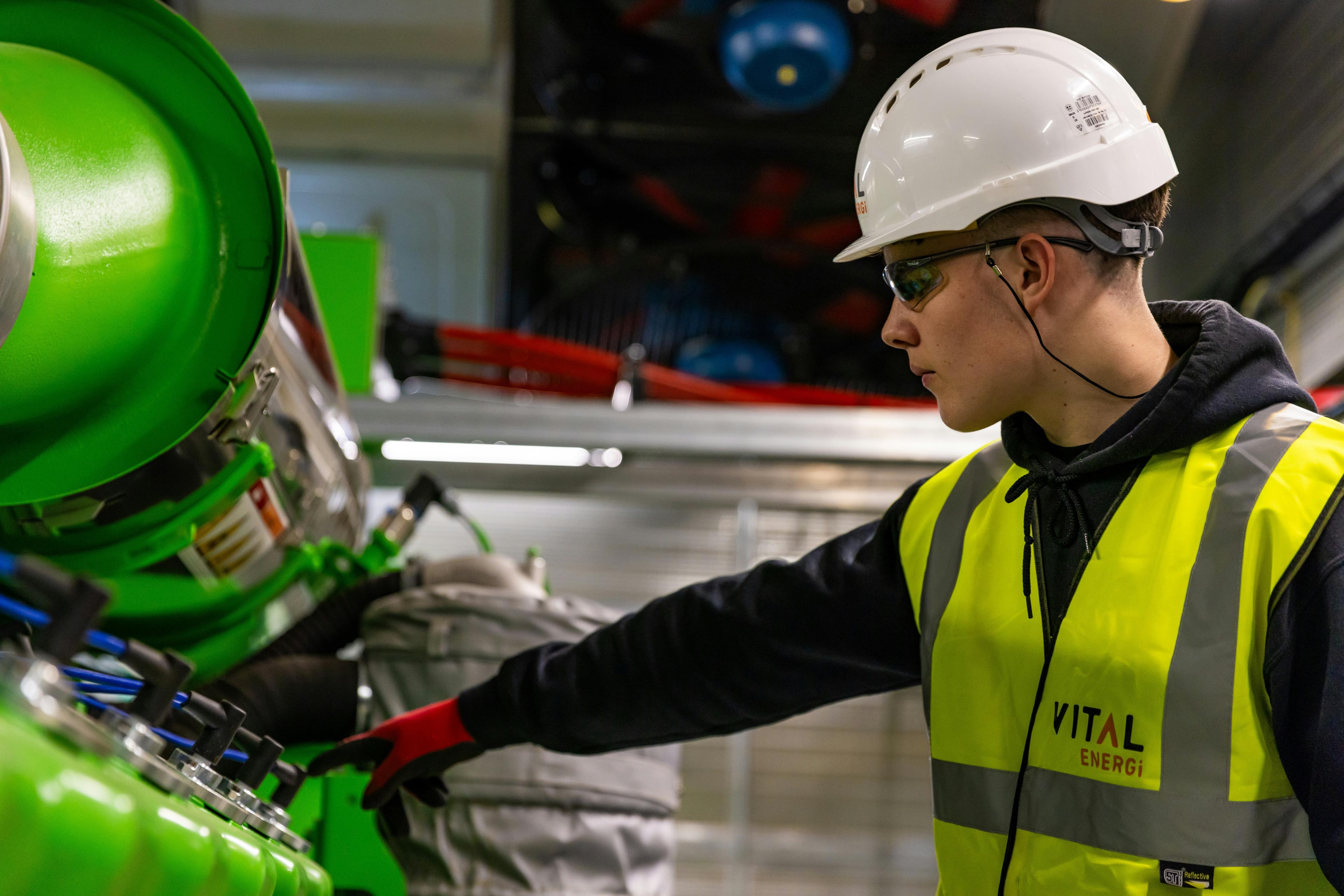
Sites that treat training as a genuine competency investment — tracked over time, revisited periodically, and tied to real operational scenarios rather than generic modules — consistently outperform sites that treat the same training as an annual box to check off before an audit. The difference shows up less in test scores and more in how confidently and correctly people respond when something actually goes wrong on shift.
Sustaining Culture Over Time
Safety culture is easy to build during a high-visibility push — after a serious incident, or during a new leadership tenure — and much harder to sustain once attention naturally moves elsewhere. The sites that maintain a strong culture long-term build it into routine structures, like regular safety observations and consistent recognition of good reporting behavior, rather than relying on periodic campaigns that fade once the initial momentum runs out.