Inherited Assumptions Are the Real Hazard
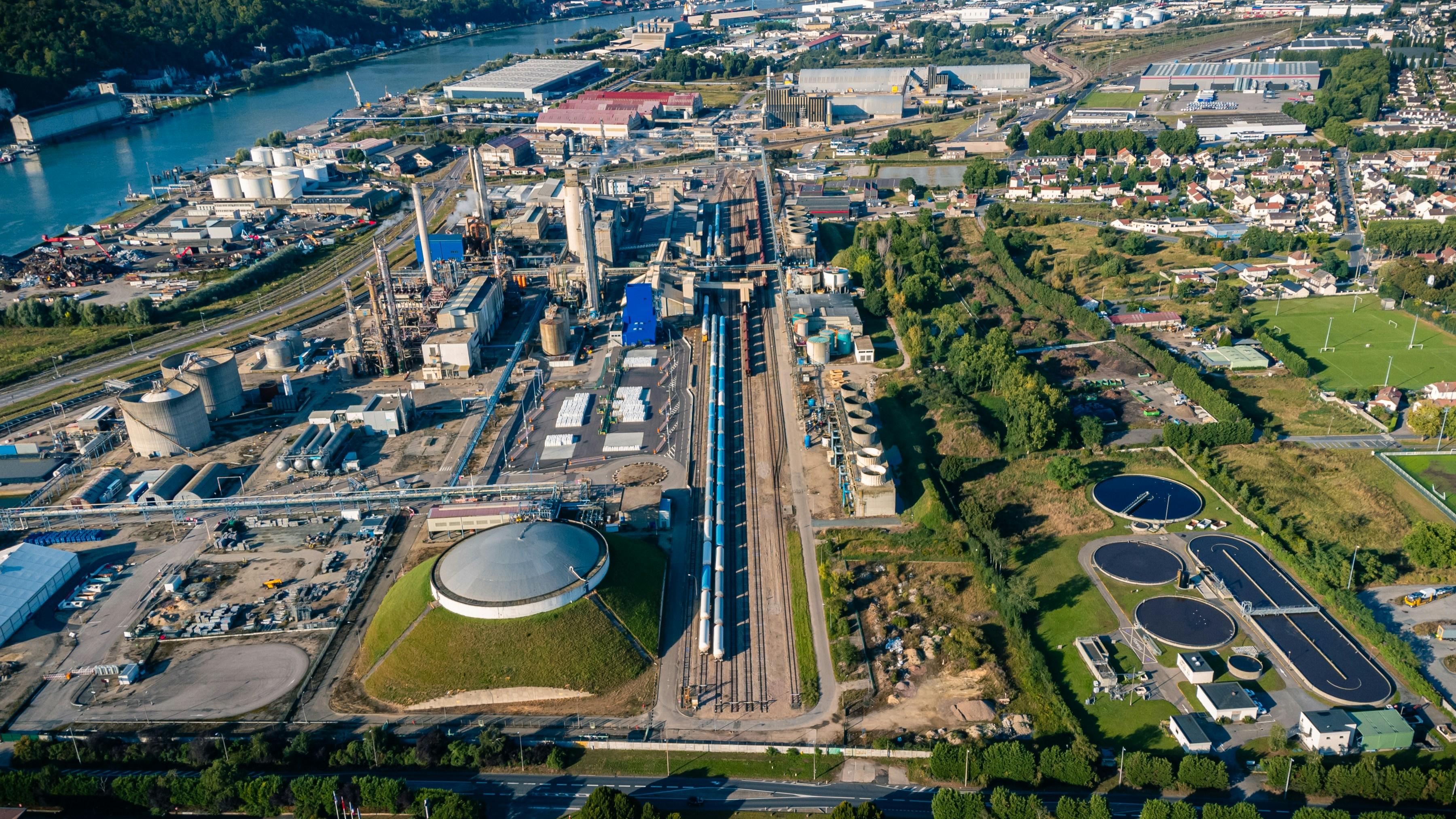
Every brownfield project builds on top of design decisions made years or decades earlier, often by people no longer with the company, based on operating conditions that may no longer hold true.
A risk assessment that only evaluates the new equipment in isolation, without revisiting how it interacts with the aging systems around it, routinely misses the scenarios that matter most.
Getting the Interfaces Right
The failure scenarios that catch teams off guard on brownfield projects are almost always at the interface — the point where new piping ties into an old header, or a new control system talks to legacy instrumentation with different assumptions built in.
Treating those interfaces as their own dedicated study scope, rather than an afterthought to the main design review, is the single change that prevents the most costly surprises.