What Actually Failed That Morning
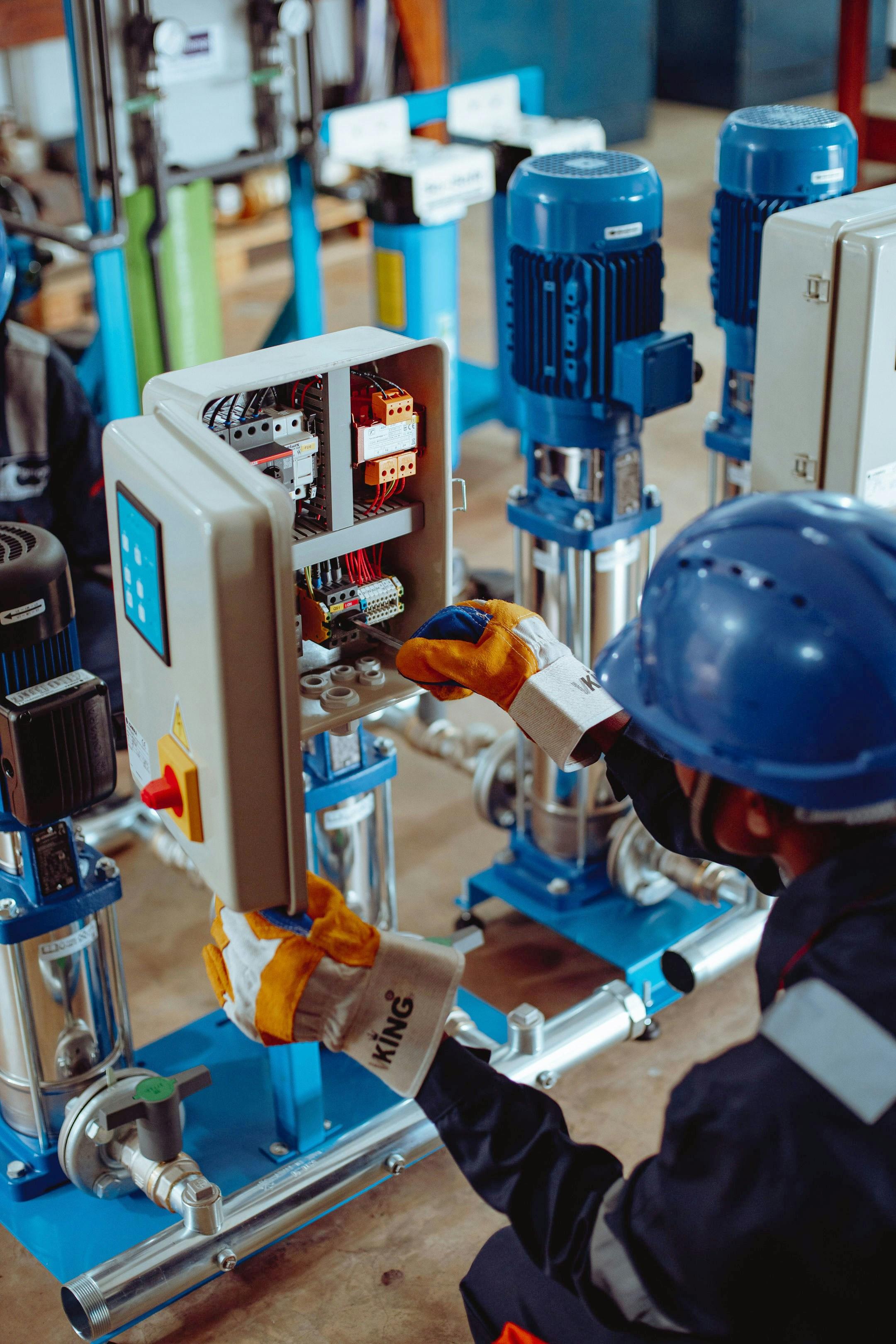
The Buncefield explosion was not the result of one dramatic failure but a chain of ordinary ones: a level gauge that had stopped working reliably, an independent high-level switch that wasn't, and a culture where alarms had become background noise rather than triggers for action.
The vapour cloud that formed from the overflow found an ignition source before anyone on site understood a tank had overfilled at all — a sobering reminder that instrumentation is only as safe as the maintenance and verification regime behind it.
The Regulatory Aftershock
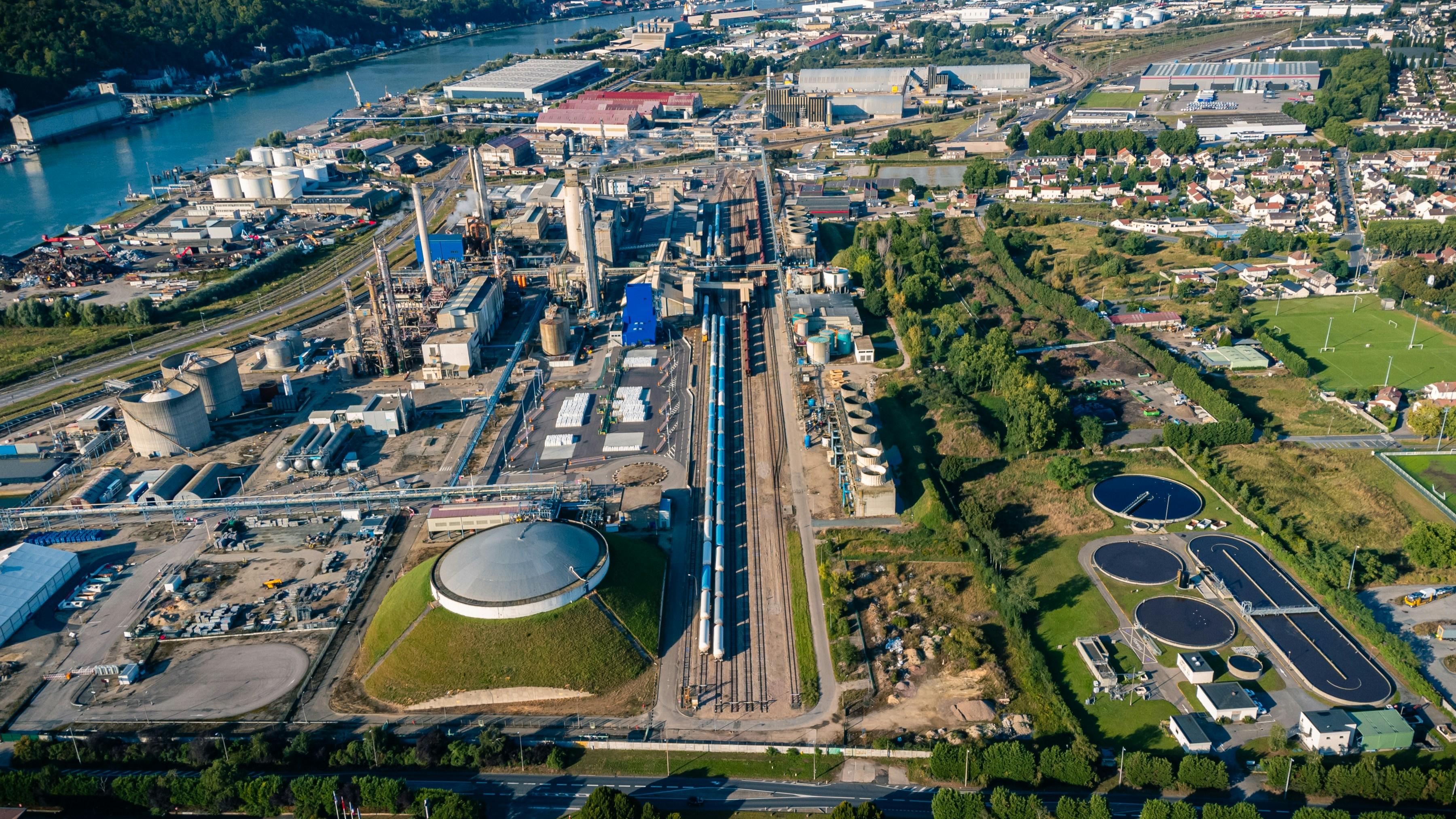
The Buncefield Standards Task Group findings reshaped tank farm design requirements across the UK and much of Europe, tightening expectations around secondary containment, independent high-level alarms, and bund design.
Two decades on, the harder question is whether those upgrades have been maintained with the same rigor they were installed with, or whether the same slow drift toward complacency that caused the original incident is quietly re-establishing itself at aging sites.