Hydraulic Analysis and Debottlenecking of a Refinery Utility System
Overview
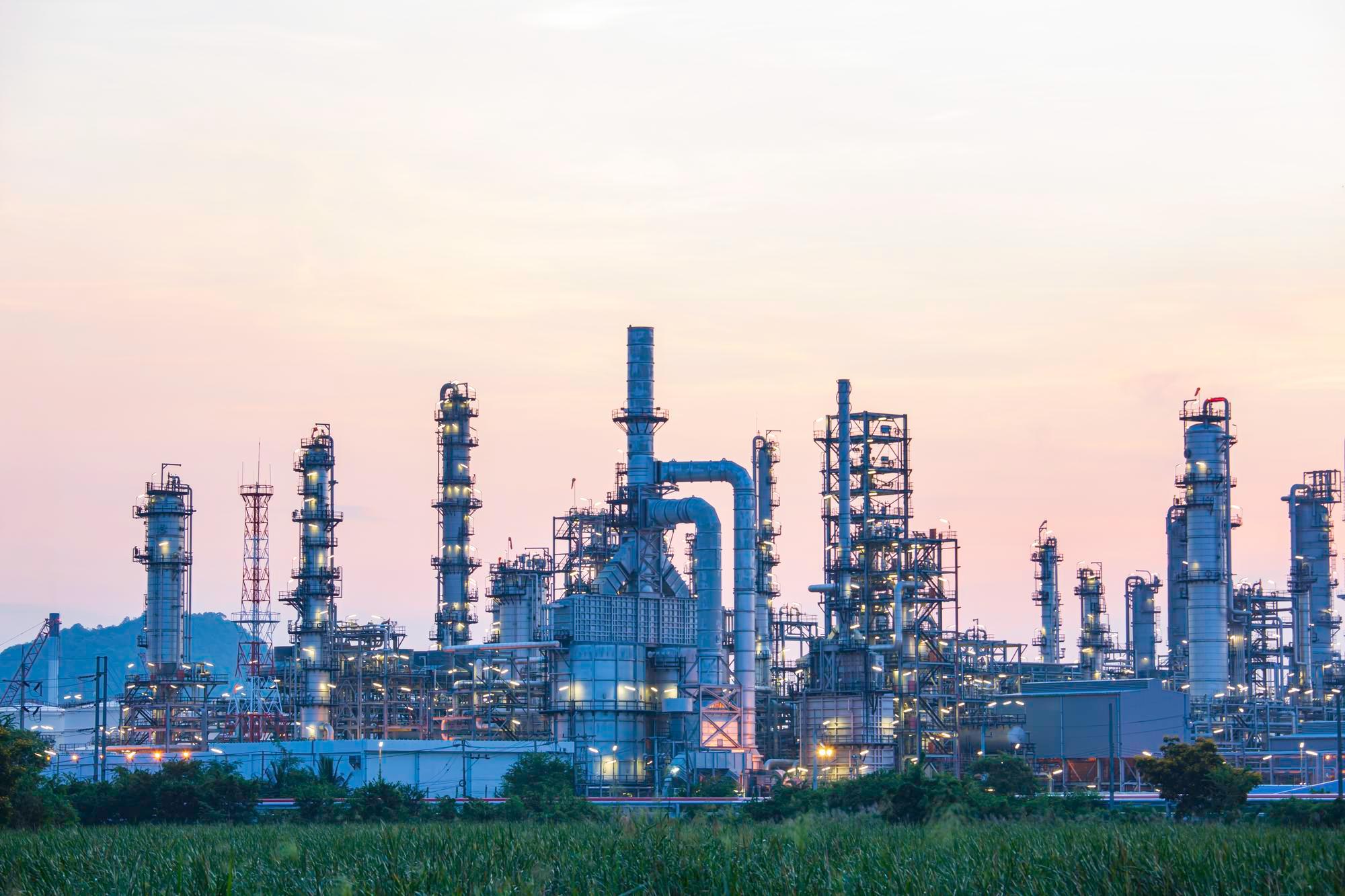
Mayford carried out steady-state and transient hydraulic analysis of a refinery's cooling water and steam distribution network using AFT Fathom modelling software. The study covered 14 km of piping, 6 cooling water pumps, 3 steam headers, and 28 end-user tie-in points. By identifying 9 critical bottlenecks — including undersized control valves, elevated pressure drops at pipe junctions, and a partially fouled heat exchanger — Mayford delivered a phased optimization plan that increased system throughput by 22% without requiring any new major piping installation, deferring an estimated $4.2 million in capital expenditure.
The Challenge
A refinery in South Asia was operating its cooling water network at near-maximum capacity following a recent crude unit expansion. Operators reported intermittent low-flow alarms at downstream heat exchangers, particularly during summer peak-load conditions when ambient temperatures exceeded 42°C. The existing hydraulic design basis was over 15 years old and did not account for the additional loads from the expanded crude unit or the 3 new heat exchangers added during a recent turnaround. The client needed to determine whether the existing pump and piping infrastructure could support current and projected loads, or whether a costly new cooling tower and pumping station was required.

Our Solution
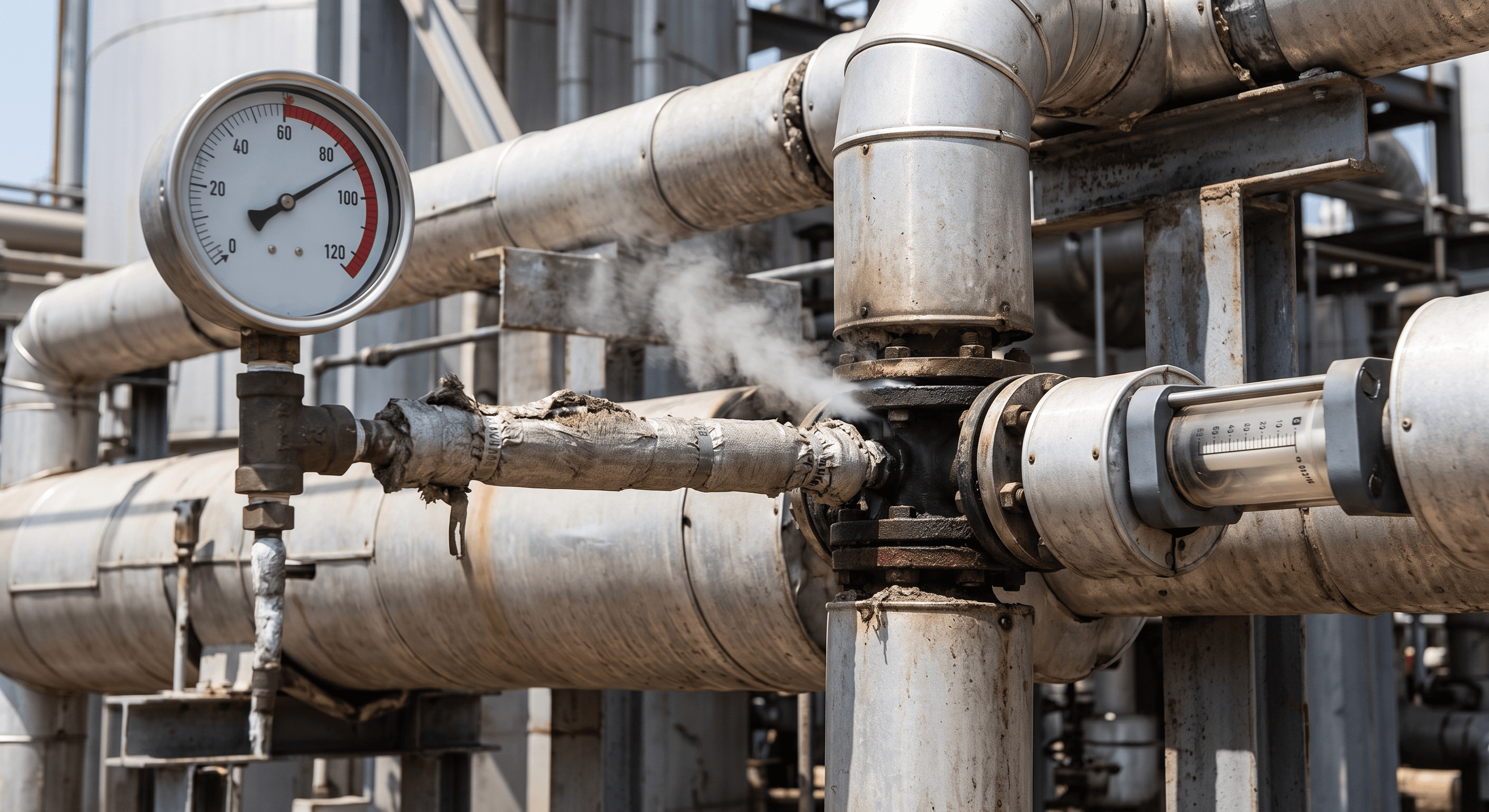
Mayford built a detailed hydraulic model of the entire cooling water network in AFT Fathom, calibrating it against field-measured pressures and flow rates at 22 measurement points. The model covered 14 km of carbon steel piping (ranging from 4-inch to 30-inch diameter), 6 centrifugal pumps with actual performance curves, 28 end-user heat exchangers, and all control valves, strainers, and isolation valves. Sensitivity analysis was performed for summer peak-load, winter low-load, and single-pump-trip scenarios. The team identified that 70% of the system pressure loss was concentrated in just 3 pipe sections and 2 undersized control valves — not in the pumps or cooling tower, which had adequate remaining capacity.